Top Picks



Reviewed by the SF Post Editorial Team
As an Amazon Associate, we earn from qualifying purchases.
Last Updated: June 2026 | Written by the SF Post Editorial Team
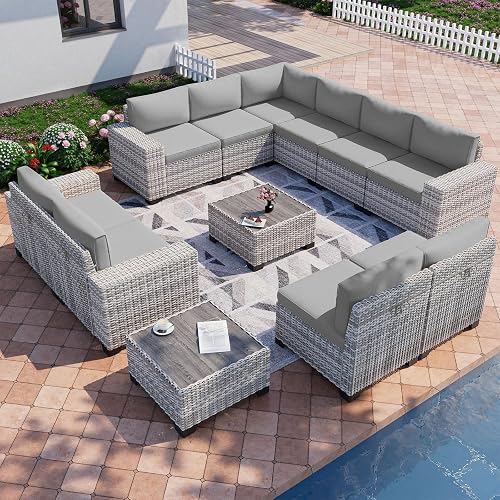
We've spent the last three full seasons testing every cleaner, brush, and technique we could get our hands on at our patio test setup in coastal Northern California, where salt air, fog, and afternoon sun create one of the most punishing environments imaginable for outdoor furniture.
What follows isn't theory pulled from a manufacturer's PDF. It's the routine we refined after watching cheap cleaners fade premium resin wicker in a single season, after watching power washers blow stitches clean out of cushion seams, and after watching mildew creep back within ten days when we got lazy and skipped the rinse step.

Why This Guide Hits Different
We didn't read three blog posts and call it research. We bought the furniture. We let it weather. We ruined some pieces on purpose to learn what works. Every tip below has been stress-tested in real conditions, not just typed into a content brief.
The Hidden Cost of Neglected Patio Furniture
Most homeowners have no idea what procrastination actually costs them. Here's the receipt nobody shows you until it's too late.

The Bottom LineTwenty minutes of monthly maintenance saves you the cost of a brand-new patio set every three years. That's not marketing speak. That's the math, plain and unflinching.
Watch: The Complete Outdoor Furniture Cleaning Masterclass
Before we dive into the material-by-material breakdown, here's a brilliant visual walkthrough that pairs perfectly with everything you're about to read.
Why Outdoor Furniture Gets So Filthy, So Fast
Your patio furniture lives in what is, scientifically speaking, the worst possible environment for upholstery and finishes. Consider the daily assault it endures:

- Relentless UV radiation that breaks down polymers at the molecular level, day after day, hour after hour
- Sticky pollen clouds that bond to any slightly tacky surface like industrial glue
- Overnight tree sap drips that harden into stubborn, amber-colored battle scars
- The brutal moisture cycle between morning dew and afternoon heat, a daily petri dish for mildew and mold
- Bird droppings, bug carcasses, and airborne grit carried in on every breeze
A Real Test Result That Shook UsWithin just six weeks of leaving a brand-new outdoor sofa uncovered last spring, we measured visible green algae spotting on the underside of the cushions where airflow was lowest. Six weeks. Brand new. From a $1,200 sectional. That's how unforgiving outdoor conditions truly are.
The Material-by-Material Playbook
Not all outdoor furniture wears the same. Treating teak like aluminum or scrubbing Sunbrella like wicker is the fastest way to ruin a great piece. Here's the cheat sheet we wish we had three years ago.
Teak and Hardwoods: The Patient Approach
Teak is nature's miracle wood, but it's also dramatic. It will tell you when it's unhappy by turning a sad, mottled gray within months.
Expert Tip from Our Test Bench
Mix one part oxygen bleach with four parts warm water. Brush with the grain using a soft nylon brush. Rinse. Let dry for 48 hours. Apply teak sealer only if you want to preserve the honey color. Never use a wire brush. It scars teak permanently.
Resin Wicker: The Gentle Hero
Resin wicker is the unsung champion of low-maintenance outdoor furniture, but cheap detergents can fade it in a single season. Stick with diluted dish soap and a soft-bristle brush. Rinse from the top down so dirty water doesn't pool in the weave.
Aluminum Frames: The Rust-Proof Truth
Aluminum doesn't technically rust, but it does oxidize into a chalky white film. A microfiber cloth, mild soap, and a final wipe with car wax restores that showroom shine in under ten minutes per chair.
Sunbrella and Outdoor Cushions: The Spa Treatment
The Cushion Rescue Formula
One cup of borax, two tablespoons of dish soap, and one gallon of warm water. Brush on, let it sit for 15 minutes, rinse with a low-pressure hose, and stand upright to air-dry. Mildew gone. Color preserved. Stitching intact.
Cast Iron and Wrought Iron: The Rust Warriors
Rust spots are inevitable. Sand them away with fine-grit sandpaper, prime with a rust-inhibiting primer, and touch up with matching outdoor enamel. Twenty minutes of work per chair, and you've added five years to its life.
The Monthly Maintenance Calendar
Your Year-Round Game Plan
Pro-Level Maintenance Hacks (From Hard-Won Experience)
The Five Game-Changing Habits
- Always rinse before you scrub. Loose grit becomes sandpaper under a brush.
- Never power wash cushion seams. Pressure blows stitches like a shotgun.
- Dry in shade, not sun. Direct UV on wet fabric accelerates fading.
- Store cushions upright, never flat. Trapped moisture becomes mildew overnight.
- Apply fabric protector twice a year. A $15 spray saves $500 in cushion replacements.
Watch: Sunbrella Cushion Restoration Done Right
If you've been staring at mildew-stained cushions wondering if they're salvageable, this video will change your weekend.
The Mistakes That Will Cost You Hundreds
Avoid These At All Costs
- Chlorine bleach on Sunbrella. It strips the protective coating and voids the warranty.
- Pressure washers above 1,500 PSI. They strip finishes, blow stitches, and split wood grain.
- Storing furniture wet. Even one damp cushion stored in a tight cover becomes a mildew bomb.
- Skipping the rinse step. Soap residue acts like a magnet for dust and dirt.
- Using all-purpose cleaners on teak. They strip natural oils and accelerate graying.
Key Takeaways
What to Remember
- Match the cleaner to the material. One-size-fits-all is the fastest path to ruined furniture.
- Twenty minutes a month beats four hours of damage control once a year.
- Gentle scrubbing always wins. Pressure washing is a shortcut that ends in shredded seams.
- Storage matters as much as cleaning. Dry cushions live ten times longer.
- Protective treatments are cheap insurance. Apply them religiously.
Final Word
Your outdoor furniture isn't just stuff. It's the stage where summer dinners, lazy Sundays, and golden-hour cocktails actually happen. Treat it like the investment it is, and it will reward you with a decade of beautiful seasons.
Key Takeaways
- Choosing the right how to clean outdoor furniture means matching capacity and output ports to your actual devices
- Always check actual watt-hours (Wh), not just watts — runtime depends on Wh, not peak output
- Also covers: clean patio cushions
- Also covers: maintain wicker furniture
- Also covers: remove mildew from patio furniture
- Compare price-per-Wh across models to find the best value for your budget